

Exploring the evolution of gambling through the ages
The Origins of Gambling
The history of gambling stretches back thousands of years, with evidence tracing its roots to ancient civilizations. Archaeological discoveries suggest that as far back as 3000 BC, people in China were using tiles to play a game of chance that resembled lottery-like activities. Similarly, ancient Egyptians engaged in gambling games that involved the use of dice, illustrating that the urge to wager and take risks is an intrinsic part of human nature. Today, enthusiasts can explore different forms of gaming like ice fishing game casino, which brings a modern twist to traditional gambling.
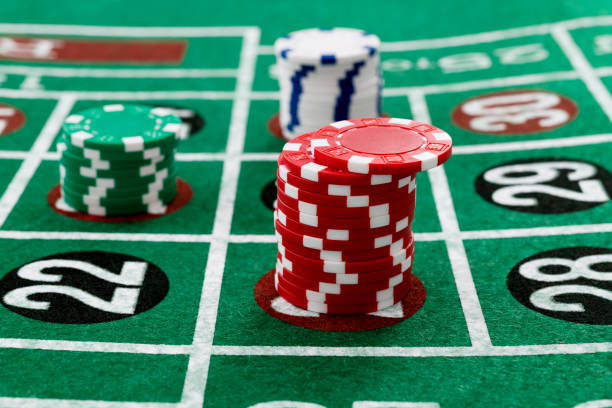
The Romans also played a significant role in the early history of gambling. They not only engaged in dice games but also developed various betting methods associated with chariot races and gladiatorial contests. These early forms of gambling laid the groundwork for the structured betting systems we see today, demonstrating that entertainment through risk-taking has always been a vibrant aspect of culture.
The Middle Ages and Legalization
During the Middle Ages, gambling underwent a transformation as societies began to regulate this activity. In Europe, various laws were enacted that aimed to control and, in some cases, prohibit gambling, particularly among the lower classes. Yet, this period also witnessed the rise of gambling establishments, such as card games and early forms of lotteries, which became increasingly popular despite legal restrictions.
This regulatory approach reflected societal views on morality and the perceived risks of gambling. However, the allure of potential wealth continued to attract players, leading to a complex relationship with the law. The tension between prohibition and popularity helped shape the evolution of gambling into a more organized and socially accepted pastime.
The Rise of Casinos
The 17th and 18th centuries marked the emergence of formal casinos, particularly in Italy and France. These establishments provided a structured environment for gambling, featuring games like roulette and baccarat. The allure of lavish venues and the excitement of playing against others contributed to the growing popularity of casino gambling, which soon spread throughout Europe.
As casinos became centers of social interaction and entertainment, they also attracted wealthy patrons and established a culture of high-stakes gaming. This period set the foundation for the modern casino experience, highlighting the blending of luxury and risk that characterizes today’s gaming establishments. The evolution of casinos represented a significant shift in how gambling was perceived, transitioning from illicit activities to prominent social events.
The Digital Revolution
The late 20th century brought about a monumental change in the gambling landscape with the advent of the internet. Online gambling emerged, allowing players to engage in various betting activities from the comfort of their homes. This digital revolution expanded the reach of gambling, attracting a new generation of players who preferred the convenience of online platforms over traditional casinos.
The introduction of live dealer games and mobile apps has further enhanced the online gambling experience. Players now enjoy immersive environments that replicate the thrill of physical casinos while retaining the ease of digital access. This transition reflects the ongoing evolution of gambling, demonstrating how technology continually reshapes the way people engage with games of chance.

Conclusion and Future of Gambling
As gambling continues to evolve, its future remains a topic of interest and speculation. Innovations in technology, such as virtual reality and blockchain, are poised to further transform the industry, offering exciting possibilities for both players and operators. The ongoing discussions around regulation, responsible gambling, and accessibility will play critical roles in shaping the next phase of this age-old pastime.
In conclusion, the evolution of gambling through the ages highlights the dynamic interplay between culture, technology, and human behavior. Understanding this rich history enriches our appreciation of the complexities and nuances surrounding modern gambling practices today.
